Posted by Blustery David
Filed in Entertainment 0 views
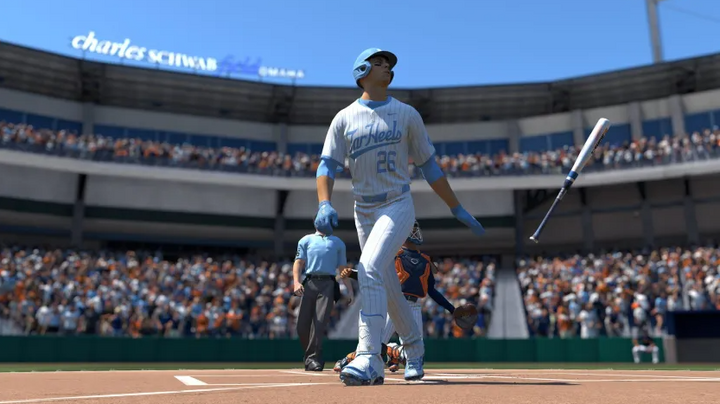
MLB The Show 26 wasted no time turning June into a bit of a race, and if you are trying to keep up, MLB 26 Stubs can make the early reward path feel a lot less painful when you're deciding whether to grind or just pick up a card you need. The June Countdown Program arrived on June 26 with a tight window, a mixed bag of missions, and a pair of featured diamonds that will catch most players' attention straight away. It is the kind of program that asks for a little of everything. Some of it is easy enough. Some of it is a slog. And a few parts will have you wondering why the schedule was set this way in the first place.
What You Get for Your Time
The reward track is pretty generous if you can move through it fast enough. Early points give out XP packs, Stubs, and standard rewards, but the real pull is the card pair sitting near the middle and top of the path. Zack Britton at 95 OVR is the lefty bullpen piece most players will want to look at first. He's got the sort of mix that plays well in late innings, especially if you like leaning on a reliever who can keep hitters off balance without needing perfect command every single pitch. Ronald Acuna Jr. at 96 OVR is the headline card, and for good reason. His bat is the main story here. He can punish mistakes in a hurry, even if his defense and vision are not quite at the same level as his power. If you play on lower difficulties or just want a bat that feels dangerous every time it steps in, he's a strong prize. The currency rewards are also worth noticing. By the time you climb the track, the total Stub payout is no joke, so this is one of those programs where finishing even part of it can still feel worthwhile.
Easy and Medium Missions Feel Manageable at First
The mission setup starts off fairly simple, but there's a catch. You have to clear each tier before the next one opens, so there's no skipping ahead to the tougher stuff. Easy missions ask for things most players can knock out without planning too much: win one game, get five hits in a single game, steal two bases in multiplayer, punch out three batters in multiplayer, and play one game with the 96 OVR Spotlight Nasim Nunez card. That last one is a little awkward if you haven't grabbed him yet, and he's the type of card that can feel strange in the box. His attributes are wild in one direction and very limited in another, so you may find yourself squaring up balls and still getting weak contact. Medium missions are where the pace starts to slow down. You'll need 10 strikeouts, 1,500 PXP with Supercharged players, two Ranked Seasons wins, 2,500 PXP in a single game, and 10 home runs in multiplayer. That 2,500 PXP task is the one people will talk about most, because it's not something you breeze through by accident. A full nine-inning game on a tougher difficulty usually makes more sense than trying to force it in a short session.
Why Moonshot II Changes the Grind
This program overlaps with Moonshot II Event, and that matters a lot. If you're working both at the same time, you can make real progress without feeling like every minute is going to one place only. Moonshot II uses bronze-or-worse pitchers, so hitters get chances to do damage. That helps with the home run mission and makes the stolen base stuff feel less annoying too, since the delivery times are often slow enough to take an extra base before the pitcher even settles in. Hard missions are where the program stops pretending to be casual. You've got five Battle Royale wins, 10 hits in a single multiplayer game, 15 Ranked Seasons points, 24 strikeouts in one game, and 1,000 PXP with Nick Castellanos. The Castellanos task is probably the least painful of the bunch if you already have the card, since he's part of the Moonshot II reward path and can be used right away. The 24-strikeout mission sounds rough, but it's very doable against the CPU if you keep things simple. Rookie difficulty, a weak opponent, and a pitcher-friendly setup can save you a lot of time. That's usually the cleanest way to handle the strikeout goals, honestly.
Where the Program Gets Frustrating
The biggest issue is not the reward track. It's the structure. Four days is not much time for a program that asks you to move between offline games, multiplayer wins, stat grinding, and tiered mission unlocks. If you like both online and offline play, you'll still feel the pressure. If you only play one side of the game, it gets worse. Ranked Seasons can be especially annoying here, because wins earned while working through the medium tier do not appear to carry over cleanly into the hard-tier 15-point objective in the way most people would expect. That means you may have to play more games than your results would suggest. It's the sort of thing that turns a decent idea into busy work. For players who only have a few spare hours each week, this program asks for more commitment than it first looks like it does.
Final Thoughts
If you're short on time, the smart move is to target the parts that matter most to you. The easy missions are worth clearing, and a few medium goals can get you solid value before the clock runs out. After that, it becomes a question of whether the grind is actually fun for you. Some players will push all the way through because they enjoy the challenge. Others will hit a wall and decide the market is the better option. That's fair. In a program this packed, nobody should feel forced to chase every point. If you just want to fill out your squad and move on, picking up what you need through the market or topping up with cheap MLB Stubs may save you a lot of frustration, especially when the deadline is this tight.

Choose a test user to login and take a site tour.