Posted by afsdfg sdgsdfg
Filed in Arts & Culture 29 views
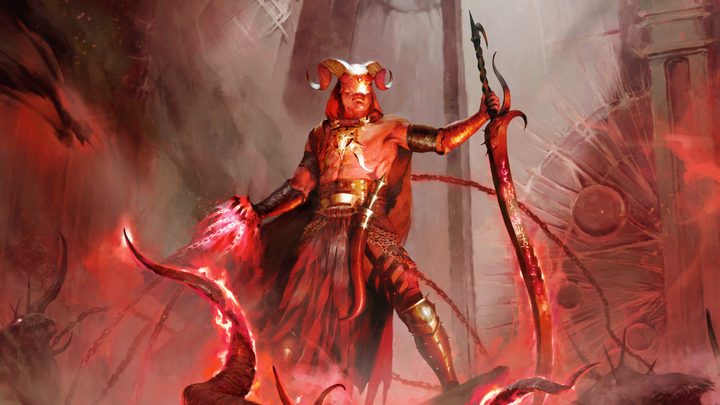
Season 13 has made weapon crafting feel a lot less casual, especially if you're pushing higher tiers and trying to squeeze every bit of damage out of a two-handed setup. For Necromancer players using a Two-Handed Scythe, the Gem Strength roll is the sort of affix that can change a build overnight. It's not just another stat line. It can turn an average weapon into the piece you build around, which is why so many players are farming bases, sorting through D4 items, and taking the crafting loop far more seriously this season.
You'll burn through weapons faster than expected. That's the part people underestimate. A good base needs high item power, the right weapon type, and preferably a couple of rolls that already make sense for your build. Nightmare Dungeons are still a steady way to fill your stash, while Escalation Sigils can speed things up if you're comfortable with the pressure. Obols are worth spending too. If you're hunting scythes, don't gamble randomly. Pick the exact weapon category and keep going until your inventory looks almost annoying to manage.
| Source | Best use | What to watch for |
|---|---|---|
| Nightmare Dungeons | General Ancestral farming | Clear speed matters more than perfect routing |
| Escalation Sigils | Higher-pressure item farming | Bad modifiers can slow the whole run |
| Purveyor of Curiosities | Targeting one weapon type | Obols disappear quickly, so stay focused |
The Horadric Cube is where the real gamble begins. Open the recipe menu, choose Transfigure Item, then place your chosen weapon into the Cube with a high-tier gem. A Ruby is commonly used when players are chasing the Gem Strength result, though the key point is simple: don't feed the Cube junk and expect a miracle. You want a weapon that already has a reason to exist. If the base is weak, even a strong special roll can feel awkward later.
Before you accept the transfiguration, the game gives you a warning for a reason. Once the item is altered this way, it becomes bound to your account. You can't trade it, flip it, or hand it to a friend later. That changes the value calculation. A weapon with a huge Gem Strength affix might look amazing, but if it's on the wrong base, you've locked yourself into a mistake. Most careful players sort their stash first, mark the best candidates, then craft only when they're sure the item will actually see play.
After you land the affix, the job isn't done. You'll still want to refine the weapon at the Blacksmith, add the right legendary aspect, and match it to the rest of your build. Summon-focused Necromancers, for example, should look for an aspect that supports minion damage rather than chasing a flashy effect that doesn't scale properly. Some players compare market values through D4 items buy options before committing materials, but the best crafted weapon is the one that actually carries your character through harder content.

Choose a test user to login and take a site tour.