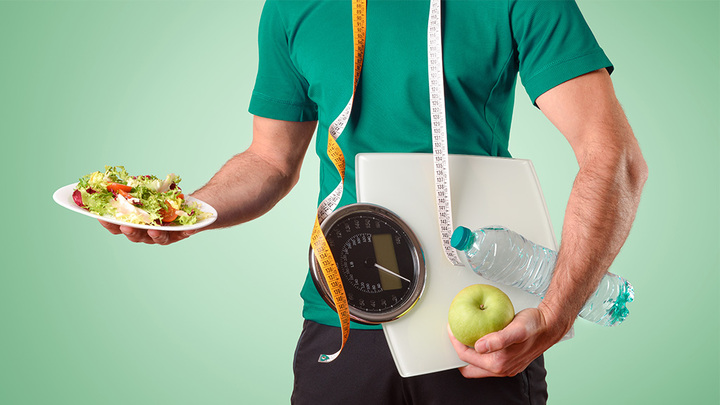
Short-term dieting has become extremely popular, especially with people looking for quick results through a personalized 7 day diet plan for weight loss. These plans often promise fast changes in body weight, reduced bloating, and visible transformation in just one week.
While some results are possible, many people make critical mistakes that prevent real progress or even lead to unhealthy outcomes.
A 7-day diet plan can be a helpful starting point, but only when it is done correctly. The problem is that most people focus only on rapid weight loss rather than sustainable habits. This leads to frustration, rebound weight gain, and sometimes even metabolic imbalance.
In this blog, we will explore the most common mistakes people make during 7-day diet plans and how to fix them for better, safer, and more effective results.
Why People Choose 7-Day Diet Plans
Before understanding the mistakes, it is important to know why these plans are so appealing. A personalized 7 day diet plan for weight loss is often chosen because:
- It promises quick visible results
- It helps motivate people to start dieting
- It reduces bloating quickly
- It feels easier than long-term dieting
However, quick results can sometimes lead to rushed decisions that are not healthy or sustainable.
Mistake 1: Cutting Calories Too Drastically
Why This Is a Problem
When people eat too little, the body responds by:
- Slowing metabolism
- Increasing fatigue
- Triggering hunger cravings
- Breaking down muscle for energy
This may lead to initial weight loss, but much of it is water and muscle—not fat.
How to Fix It
Instead of extreme restriction:
- Maintain a moderate calorie deficit
- Focus on nutrient-dense foods
- Ensure meals are balanced with protein, carbs, and fats
A controlled approach is more effective than starvation dieting.
Mistake 2: Eliminating Entire Food Groups
Why This Is a Problem
Cutting out food groups can lead to:
- Nutritional deficiencies
- Low energy levels
- Poor mood and concentration
- Unsustainable eating habits
Carbohydrates and fats both play important roles in body function.
How to Fix It
Instead of elimination:
- Choose healthy carbs like whole grains and fruits
- Include healthy fats like nuts, seeds, and olive oil
- Balance all macronutrients in moderation
Balance is more important than restriction.
Mistake 3: Expecting Extreme Weight Loss in 7 Days
Why This Is a Problem
Most early weight loss is actually:
- Water weight
- Glycogen depletion
- Temporary bloating reduction
Real fat loss takes time and consistency.
How to Fix It
Set realistic expectations:
- Aim for 0.5–1 kg fat loss per week
- Focus on habits, not just scale numbers
- Track progress through measurements and energy levels
Short-term plans should kickstart progress, not complete it.
Mistake 4: Ignoring Protein Intake
Why This Is a Problem
Without enough protein:
- Muscle loss increases
- Hunger increases
- Metabolism slows down
This can make weight loss harder in the long run.
How to Fix It
Include protein in every meal:
- Eggs
- Chicken
- Fish
- Lentils
- Greek yogurt
Protein helps maintain muscle and keeps you full longer.
Mistake 5: Not Drinking Enough Water
Why This Is a Problem
Low water intake can cause:
- Fatigue
- Headaches
- Poor digestion
- Increased hunger confusion
Sometimes thirst is mistaken for hunger, leading to overeating.
How to Fix It
- Drink at least 2–3 liters of water daily
- Start meals with a glass of water
- Reduce sugary beverages
Proper hydration supports metabolism and reduces bloating.
Mistake 6: Relying Only on Crash Diets
Why This Is a Problem
Crash diets may cause:
- Rapid water loss
- Muscle loss
- Nutrient deficiencies
- Weight rebound after stopping
They are not sustainable or healthy.
How to Fix It
- Focus on balanced meals
- Include all essential nutrients
- Avoid extreme restrictions
- Build habits that continue beyond 7 days
Short-term plans should lead into long-term lifestyle changes.
Mistake 7: Skipping Exercise Completely
Why This Is a Problem
Without physical activity:
- Fat loss slows down
- Muscle mass decreases
- Metabolism becomes less efficient
Exercise supports both fat burning and overall health.
How to Fix It
- Walking
- Light cardio
- Strength training
- Stretching
Even 20–30 minutes a day can make a difference.
Mistake 8: Eating Processed “Diet Foods”
Why This Is a Problem
Many “diet” foods:
- Contain hidden sugars
- Lack nutrients
- Do not keep you full
- May be highly processed
How to Fix It
- Fresh vegetables
- Lean proteins
- Whole grains
- Natural snacks like fruits and nuts
Real food always works better than processed alternatives.
Mistake 9: Lack of Meal Planning
Why This Is a Problem
Without planning:
- People skip meals
- They overeat later
- Poor food choices increase
- Consistency breaks down
How to Fix It
- Plan meals in advance
- Prepare groceries early
- Stick to a daily structure
- Keep healthy snacks available
Planning improves discipline and success rate.
Mistake 10: Ignoring Sleep and Stress
Why This Is a Problem
Poor sleep and high stress:
- Increase cravings
- Slow metabolism
- Disrupt hormones
- Lead to emotional eating
How to Fix It
- Aim for 7–9 hours of sleep
- Manage stress through relaxation techniques
- Avoid late-night eating
- Maintain a consistent sleep schedule
Healthy weight loss requires overall lifestyle balance.
Building a Better 7-Day Diet Approach
A successful personalized 7 day diet plan for weight loss should focus on:
- Balanced nutrition
- Moderate calorie deficit
- Regular hydration
- Physical activity
- Sustainable habits
The goal should not just be quick weight loss but building a foundation for long-term health.
Conclusion
7-day diet plans can be effective for kickstarting weight loss, but only when done correctly. Most mistakes—such as extreme calorie restriction, skipping protein, ignoring hydration, or expecting unrealistic results—can reduce effectiveness and harm long-term progress.
A balanced, structured, and realistic approach is always more sustainable than crash dieting.
As research in nutrition and metabolism continues to evolve, individuals interested in deeper scientific insights may also want to see ongoing study for weight loss, contributing to a better understanding of how the human body responds to diet and lifestyle changes.